
LPG GOST 55 42-87

Liquefied Petroleum Gas
LPG
Liquefied petroleum gases are the light hydrocarbon fraction of the paraffin series, derived from refinery processes, crude oil stabilisation plants and natural gas processing plants comprising propane (C3H8) and butane (C4H10) or a combination of the two.
They could also include propylene, butylene, isobutene and isobutylene. LPG are normally liquefied under pressure for transportation and storage.


- Published in Products
LNG
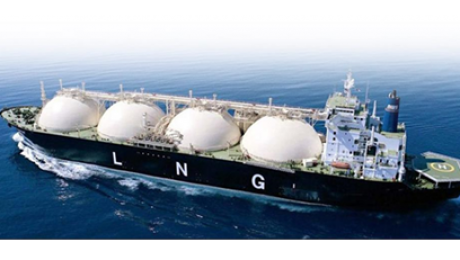
Liquefied Natural Gas
Liquefied natural gas or LNG is natural gas (predominantly methane, CH4) that has been converted temporarily to liquid form for ease of storage or transport.
Liquefied natural gas takes up about 1/600th the volume of natural gas in the gaseous state. It is odorless, colorless, non-toxic and non-corrosive. Hazards include flammability, freezing and asphyxia.
A typical LNG process. The gas is first extracted and transported to a processing plant where it is purified by removing any condensates such as water, oil, mud, as well as other gases like CO2 and H2S. An LNG process train will also typically be designed to remove trace amounts of mercury from the gas stream to prevent mercury amalgamizing with aluminium in the cryogenic heat exchangers. The gas is then cooled down in stages until it is liquefied. LNG is finally stored in storage tanks and can be loaded and shipped.
The liquefaction process involves removal of certain components, such as dust, acid gases, helium, water, and heavy hydrocarbons, which could cause difficulty downstream. The natural gas is then condensed into a liquid at close to atmospheric pressure (maximum transport pressure set at around 25 kPa/3.6 psi) by cooling it to approximately −162 °C (−260 °F).
The reduction in volume makes it much more cost efficient to transport over long distances where pipelines do not exist. Where moving natural gas by pipelines is not possible or economical, it can be transported by specially designed cryogenic sea vessels (LNG carriers) or cryogenic road tankers.
The energy density of LNG is 60% of that of diesel fuel.
LNG is principally used for transporting natural gas to markets, where it is regasified and distributed as pipeline natural gas. It can be used in natural gas vehicles, although it is more common to design vehicles to use compressed natural gas. Its relatively high cost of production and the need to store it in expensive cryogenic tanks have prevented its widespread use in commercial applications.
The density of LNG is roughly 0.41 kg/L to 0.5 kg/L, depending on temperature, pressure and composition, compared to water at 1.0 kg/L.
The heat value depends on the source of gas that is used and the process that is used to liquefy the gas. The higher heating value of LNG is estimated to be 24 MJ/L. The lower heating value of LNG is 21 MJ/L or 635 BTU/ft3. For the purpose of comparison of different fuels the heating value is also known as the energy density expressed in MJ/L or the gasoline gallon equivalent expressed in BTU/ft3. The energy density of LNG is 2.4 times greater than that of CNG which makes it economical to transport natural gas in the form of LNG by ship. The energy density of LNG is comparable to propane and ethanol but is only 60% that of diesel and 70% that of gasoline.
- Published in Products
KEROSENE

Kerosene (other than kerosene used for aircraft transport which is included with aviation fuels) comprises refined petroleum distillate intermediate in volatility between gasoline and gas/diesel oil. It is a medium oil distilling between 150°C and 300°C.
A light fuel oil obtained by distilling petroleum, used esp. in jet engines and domestic heaters and lamps and as a cleaning solvent and the main type of fuel used by jet-propelled airlines. It is clear in colour and used for its enhanced performance at the colder temperatures to which airlines are exposed. Its use in international transportation has meant it is usually exempt from taxation unlike standard fuels.


- Published in Products
JET FUEL

Jet fuel is a type of aviation fuel designed for use in aircraft powered by gas-turbine engines. It is clear to straw colored. The most common fuels are Jet A and Jet A-1 which are produced to an internationally standardized set of specifications. The only other jet fuel that is commonly used in civilian turbine engine-powered aviation is called Jet B and is used for its enhanced cold-weather performance.
Jet fuel is a mixture of a large number of different hydrocarbons. The range of their sizes (molecular weights or carbon numbers) is restricted by the requirements for the product, for example, freezing point or smoke point. Kerosene-type jet fuel (including Jet A and Jet A-1) has a carbon number distribution between about 8 and 16 carbon numbers; wide-cut or naphtha-type jet fuel (including Jet B), between about 5 and 15 carbon numbers.
JP54


- Published in Products
GASOLINE

Gasoline – is a toxic translucent, petroleum-derived liquid that is primarily used as a fuel in internal combustion engines. A volatile mixture of flammable liquid hydrocarbons derived chiefly from crude petroleum and used principally as a fuel for internal-combustion engines.
Types of Gasoline:
87, 89 and RON 91 or RON 92, RON 93, RON 95
GASOLINE 92
GASOLINE 95


- Published in Products
CRUDE OIL
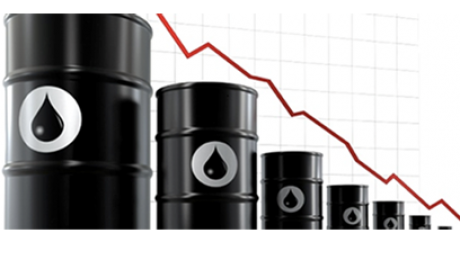
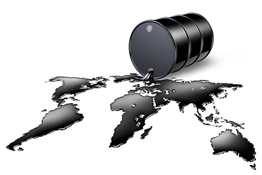
Crude oil is a liquid found naturally in rock, containing mostly complex hydrocarbons, with some additional organic material. It is the major fuel used on the planet, and is used in the production of many synthetic materials like plastics as well.
Types of Crude oil:
Bonny Light Crude Oil
Saudi Light Crude Oil
Iraq Basra Light Crude Oil
Iran Light Crude Oil

- Published in Products
CONDENSATE

Is a low-density mixture of hydrocarbon liquids that are present as gaseous components in the raw natural gas produced from many natural gas fields. Gasoil, naphtha and other relatively lighthydrocarbons (with some dissolved hydrocarbon gases such as butane and propane) which remain liquid at normal temperature and pressure. Recovered mainly from gas reservoirs, condensates are very similar to light stabilized crude oil and are used as feedstock for oil refining and other petrochemical industries.

- Published in Products
BITUMEN

Bitumen is a solid, semi-solid or viscous hydrocarbon with a colloidal structure which is brown to black in colour. It is obtained by vacuum distillation of oil residues from atmospheric distillation of crude oil. Bitumen is often referred to as asphalt and is primarily used for surfacing of roads and for roofing material.
This category includes fluidised and cut back bitumen.
Types of Bitumen:
60-70
85-100


- Published in Products
BASE OIL

Base oil is refined out of petroleum crude oil to which additives and other substances are added to produce a lubricant (a typical lubricant contains at least 90% base oil and less than 10% additives). A lubricant is by definition a substance used in various industries and equipments (automotive sector being the prime consumer) to reduce wear and lower friction between moving parts.
Each crude oil, which base oils are derived from, has specific properties which are passed onto its refined products. These include viscosity, sulphur, color, density, flash point, pour point and volatility which define the quality of the products made from the crude oil. How the crude petroleum is refined will also influence the charateristics of the base oils.
Also we can provide Base Oil Group II & Group III in FOB or CFR delivery term.
G III 4 CST
G III 8 CST
BS 120
G II N 150
NH 20
NH 140
SN 300
Kinds of base oil:
SN150
SN500
- Published in Products
ADDITIVES

Bee Invest can provide additional lubricant additives and with the following objectives:
- To invest in all aspects relating to additives for lubricants including production, use, supply and cost reduction.
- To invest in the development of new formulations for packaged additives in line with the market needs, trends, current specifications and developing regulations.
- To invest in local bulk storage and logistic operations and facilitate easy supply routes reducing supply time and cost.
- To provide technical services to customers who no longer receive sufficient support from other sources.
- To provide reliable local bulk production and or storage operations that enable dramatic reductions of customer stocks and inventories.
- To create a technical team, by head hunting highly educated, qualified and experienced scientist from within the industry and allied suppliers.
- To utilize knowledge and experience available from allied industries to advantage our customers.
 To collaborate through contracts placed with universities and other specialized technical bodies to further achieve the company objectives.
- To identify new sources of raw materials and provide the latest technology for the modification and improvement of existing and new components for exclusive use in our products.
- To utilize knowledge gained in our collaborations for the improvement of existing suppliers processes, bringing their capabilities up to the highest standards.
- To prepare and test tailor made formulations of additive packages to meet the demanding requirements of end users.
- To pre-blend tailor made combined additives from approved source to form super packages which can be used alone in customer base oils to provide complete formulation solutions.
- To running engine test and field trials in order to improve customer acceptance, to gain approvals and to generate marketing date or materials.
- To make additives for lubricants and other chemical components available locally through a network of distributors.
- Provide our customers with technical services such formulation optimization, advise testing, and training of both their personnel and their customers.
- Published in Products